


Autumn at its best: 10 places to experience in Norway in October
October is a somewhat underrated month for travelling in Norway.
Summer is over, the crowds of tourists have thinned out, and many places regain the quiet that so easily disappears in peak season. Meanwhile, winter is on its way—first in the north, later in the south.
It is precisely this transition that makes October so special.
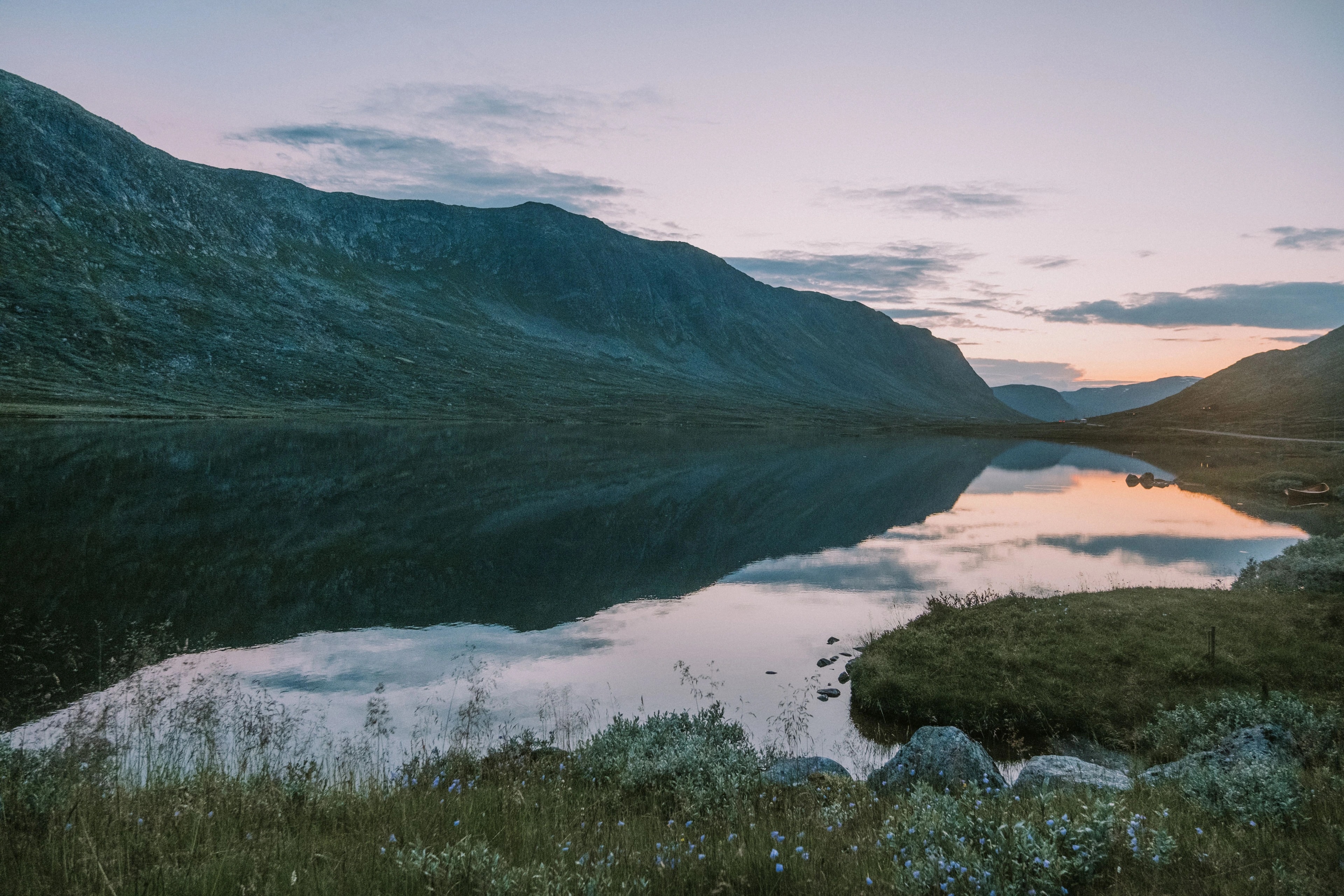
In western Norway, the fjords lie beneath low clouds and mountainsides ablaze with autumn colours. In the cities, evenings grow darker and life slows down. Further north, the northern lights season gets properly underway, while the first snowfalls may settle on the mountains.
In other words, you can experience several seasons on a single trip.
Here are ten places that really come into their own in October.
1. Tromsø — when the northern lights season awakens
Tromsø hardly needs an introduction for anyone dreaming of the northern lights.
In October, the nights grow steadily longer and darkness returns in earnest. That gives you plenty of opportunities to leave the city and wait for green light above the mountains.
But Tromsø is more than a base for chasing the northern lights.
The city has a surprisingly lively centre, with good restaurants, cafés and cultural life, while nature is right on the doorstep. In no time, you can go from city life to mountains, fjords and Arctic landscapes.
October also offers something the winter months do not always provide: things tend to be a little quieter.
Why visit in October:
Dark evenings, northern lights, Arctic nature and fewer crowds than later in winter.
2. Lofoten — more dramatic than the postcards
Lofoten is beautiful all year round, but autumn gives these islands an atmosphere all their own.
The jagged mountains, small fishing villages and open seas take on a wilder character as the weather changes rapidly between rain, wind, sunshine and low clouds.
Reine and Hamnøy remain among the best-known places to visit, but Lofoten is at its best when you take your time.
Drive slowly. Stop often. Turn off the main road.
It is often in the little coves, on quiet beaches and in fishing villages without large tourist groups that Lofoten feels most authentic.
And on clear nights, the northern lights may appear above both mountains and sea.
Why visit in October:
Fewer visitors, more weather, more atmosphere—and a chance to see the northern lights.
3. Senja — the quieter neighbour in the north
Senja is often described as an alternative to Lofoten.
That is not entirely wrong, but the island really deserves to stand on its own.
Here you will find steep mountains, deep fjords, small communities and some of the most spectacular stretches of road in northern Norway.
One of the loveliest things about Senja is the sense of space.
You can drive for a long time with mountains on one side and sea on the other, without meeting many people.
Autumn intensifies this feeling. Colours grow darker, clouds sit lower, and the landscape takes on a rawer character.
Why visit in October:
For the quiet, the nature and the feeling of being far away from almost everything.
4. Flåm and Nærøyfjorden — the fjords after peak season
Flåm is one of Norway’s most visited summer destinations.
In October, the atmosphere is completely different.
There are fewer people in the streets, the fjord is quieter, and there is more room to truly take in the surrounding landscape.
Nærøyfjorden is as dramatic as ever, but autumn colours and low clouds give the area a different look from summer.
A boat trip through the fjord is an obvious highlight, and the Flåm Railway remains one of the most spectacular train journeys you can take in Norway.
Autumn simply slows the pace.
Why visit in October:
For fjord scenery without the busiest part of the summer season.
5. Geirangerfjorden — quieter and wilder
Geiranger is perhaps best known from summer pictures of green mountainsides, cruise ships and blue skies.
In October, the place looks different.
Colours are darker. Clouds hang lower. The highest mountains may already have received snow.
This gives Geirangerfjorden a quieter and more dramatic character.
The waterfall, the fjord and the steep mountainsides are still the same, but the experience feels less polished and more exposed to the weather.
Still, it is worth planning a little more carefully. Some mountain roads and activities may be affected by the weather and the season.
Why visit in October:
To experience one of Norway’s most famous landscapes during a quieter period.
6. Bergen — a city that can handle bad weather
Bergen may be one of the few cities that almost gets better in the rain.
It sounds like a cliché, but there is something about the combination of wet cobblestones, colourful wooden houses, low clouds and the mountains around the city that works especially well in autumn.
Bryggen is still Bryggen, but October is also a good time to venture beyond the most obvious tourist spots.
Have a coffee in the city centre. Walk through the little streets. Take the Fløibanen funicular up if the weather allows.
And if you have more time, Bergen is a natural starting point for further trips into the fjord landscapes of western Norway.
Why visit in October:
City life, autumn weather and easy access to the fjords.
7. Åndalsnes and Romsdalen — for lovers of grand landscapes
Åndalsnes lies amid some of Norway’s most dramatic mountain scenery.
Here, much of the appeal is the landscape itself.
Deep valleys, towering rock faces, rivers and roads winding through the terrain.
In autumn, the area takes on a tranquillity all its own. Mist often hangs low, colours change on the valley floor, and the contrast between dark mountains and a bright sky can be striking.
It is not necessarily a place where you need a long list of activities.
Sometimes driving, stopping and looking is enough.
Why visit in October:
For mountains, mist, autumn colours and some of Norway’s most impressive valleys.
8. Oslo — autumn suits the capital
Oslo is often passed over in favour of fjords and mountains.
That is a bit of a shame.
Autumn is actually one of the nicest times to be in the capital.
The parks change colour, the pace slows a little, and the city feels less hectic than in midsummer.
Along the fjord, modern architecture sits beside swimming spots, promenades and cultural buildings. In neighbourhoods such as Grünerløkka, you will find cafés, small shops and a more everyday side of Oslo.
And when the weather turns, MUNCH, the National Museum or a leisurely lunch indoors are never far away.
Why visit in October:
For art, architecture, city life and a quieter side of Oslo.
9. Trondheim — history, wooden houses and good food
Trondheim has long been one of Norway’s most important historic cities.
Nidaros Cathedral alone is reason enough to make the trip.
But Trondheim is also a very pleasant city to spend time in. Bakklandet, the wooden houses along the river and the compact centre make it easy to explore on foot.
Its food scene has also been attracting increasing attention.
Trøndelag has strong food traditions and excellent local ingredients, evident in both small eateries and more ambitious restaurants.
On a cold autumn day, that is especially welcome.
Why visit in October:
For history, quiet city streets and some of the country’s most interesting food experiences.
10. Svalbard — the beginning of the polar night
Svalbard is something else entirely.
Even as you approach Longyearbyen, you notice how different the landscape is.
No forest. No gentle hills. Just open valleys, bare mountains and an Arctic landscape that seems almost empty.
In October, Svalbard enters the transition towards the polar night.
The days quickly grow shorter, the light becomes bluer, and the landscape changes character throughout the day.
It also marks the start of the period when the northern lights once again become an important part of the experience.
At the same time, Svalbard requires more planning than most other destinations in Norway. If you venture beyond Longyearbyen, follow local advice and use experienced guides.
Why visit in October:
For Arctic light, silence and nature unlike anywhere else in Norway.
Before travelling to Norway in October
October requires a little more flexibility than a typical summer trip.
The weather can change quickly, and the differences between north and south are considerable.
Southern Norway may still offer mild autumn days, while winter may already have arrived further north and in the mountains.
Layering your clothing is therefore a good idea.
A waterproof outer layer, warm clothes and good shoes make the trip much more comfortable, especially if you plan to spend plenty of time outdoors.
If you are heading north to see the northern lights, remember one thing: there is never any guarantee.
You need both clear skies and the right level of solar activity.
But that uncertainty actually suits October.
The month is unpredictable. And perhaps that is precisely why it feels so Norwegian.
You can wake up to rain beside a fjord, see sunshine lighting up the autumn colours a few hours later—and end the day beneath the northern lights.
Norway may show its most accessible side in summer.
But autumn is when the landscape has the most personality.